
Selecting the Right Partner: How to Identify a Top-Tier China Solvent Adhesive Factory for Your Business
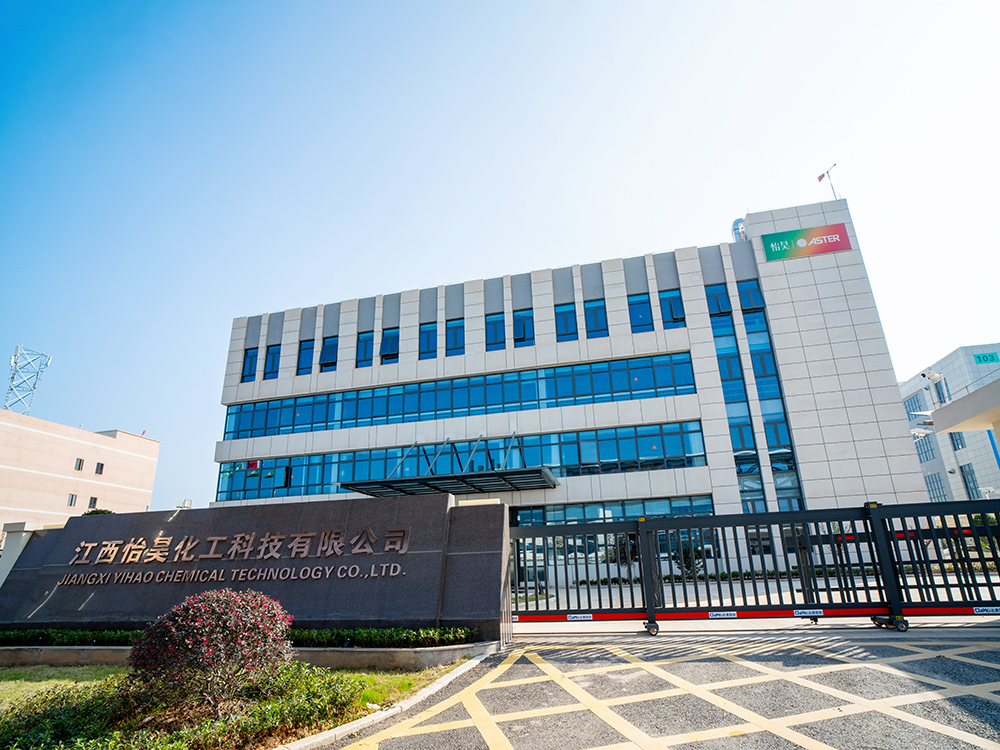
GANZHOU , JIANGXI, CHINA, August 21, 2026 /EINPresswire.com/ -- In the contemporary manufacturing landscape, the integrity of a finished product often rests upon the invisible strength of its composite materials. As global industries—ranging from food packaging and pharmaceuticals to new energy solutions—demand higher performance standards, the reliance on specialized bonding agents has grown significantly. Manufacturers frequently search for a reliable China Solvent Adhesive Factory that can offer consistent quality, technical support, and the ability to scale production to meet diverse industrial requirements. Identifying such a partner requires a balanced look at technical capabilities, quality management, and the ability to adapt to a rapidly evolving regulatory environment.
The Foundation of Industrial Reliability
Modern production processes, particularly those involving multi-layer laminates or specialized substrates, place immense stress on adhesive systems. When selecting a manufacturing partner, the focus must shift beyond mere pricing toward the underlying infrastructure of the supplier. Facilities that have transitioned toward automation and digital integration in their production lines often demonstrate a higher capacity for batch-to-batch consistency.
An essential metric for any manufacturer is the supplier’s commitment to quality management systems. Factories that adhere to recognized standards, such as ISO 9001 for quality, ISO 45001 for health and safety, and ISO 14000 for environmental management, provide a level of operational transparency that is vital for long-term supply chain security. This systematic approach ensures that the chemical composition of the adhesives—whether solvent-based or specialized polyester-based resins—remains stable regardless of fluctuations in raw material availability.
Technical Expertise and R&D Capabilities
The complexity of modern flexible packaging, such as aluminum-plastic structures used for medical blister packs or food retort pouches, necessitates a high degree of chemical engineering expertise. A competent manufacturing partner is rarely just a provider of goods; they act as a technical extension of their client's team. This is particularly evident when reviewing the R&D structure of a facility.
Teams composed of specialized research staff, including those with advanced academic backgrounds in polymer science, are better equipped to tackle industry-specific hurdles. For instance, developing adhesives that can withstand the rigors of deep-drawing in pharmaceutical cold-form foil requires not only production capacity but also the ability to simulate extreme application conditions in a laboratory setting. When a potential partner shares data regarding their analytical equipment—such as chromatographs, mass spectrometers, and universal testing machines—it indicates a focus on data-driven innovation rather than guesswork.
Adapting to Diverse Industry Needs
The industrial scope of a solvent adhesive manufacturer often serves as a key indicator of their adaptability. As energy transition gains momentum, the requirements for bonding materials have expanded into new fields like solar photovoltaic backsheet films and lithium battery aluminum-plastic composite materials. These applications demand adhesives that possess unique properties, such as high-temperature resistance and excellent electrical insulation.
Beyond the energy sector, the requirements for household appliance panels or automotive window films involve different priorities, such as surface finish, chemical resistance, and long-term durability. A manufacturer that successfully services these varied segments likely maintains a portfolio of resins and adhesives tailored to specific physical demands. This breadth of experience allows the partner to offer insights into alternative materials or processes that might improve the final product's performance or reduce overall production costs.
Navigating Regulatory and Sustainability Requirements
The regulatory landscape regarding chemical manufacturing and food contact materials is increasingly stringent across all major global markets. A sophisticated partner will proactively manage compliance, ensuring that their products do not result in the migration of toxic substances, nor produce unwanted odors or discoloration in the finished packaging.
Furthermore, the integration of an EHS (Environment, Health, and Safety) philosophy into daily operations is no longer optional. Modern manufacturing environments must address how their processes influence the surrounding ecosystem. Partners who prioritize the development of environmentally conscious formulations while maintaining high bond strength demonstrate an awareness of the global movement toward more sustainable industrial practices. Engaging with a facility that views compliance as a core operational pillar rather than a check-box exercise minimizes the risk of supply chain disruptions caused by changing regional regulations.
Building a Long-Term Strategic Alliance
The process of vetting a production facility involves looking at more than just the product specifications on a technical data sheet. It is about assessing the partner's service model. Effective global service teams prioritize responsiveness and are capable of providing on-the-ground support to address equipment integration challenges at the customer’s site.
When a manufacturer has established a footprint in multiple countries, it suggests a proven track record of handling international logistics and navigating the diverse quality expectations of different markets. This international presence, coupled with a solid history of R&D investment, provides a cushion against the uncertainties often found in global procurement. Consistency, transparency, and a dedication to iterative improvement are the hallmarks of a partnership that can withstand the pressures of competitive markets.
The success of any product line is deeply tied to the reliability of its composite bonding solutions. By carefully evaluating a potential manufacturing partner through the lenses of production quality, technical rigor, and regulatory compliance, businesses can ensure a more stable and efficient supply chain. Organizations that choose to align themselves with established, technically proficient partners are better positioned to meet the challenges of their respective industries. To learn more about how specialized chemical solutions can support your production requirements, visit the official website at https://www.yh-aster.com/.
The Foundation of Industrial Reliability
Modern production processes, particularly those involving multi-layer laminates or specialized substrates, place immense stress on adhesive systems. When selecting a manufacturing partner, the focus must shift beyond mere pricing toward the underlying infrastructure of the supplier. Facilities that have transitioned toward automation and digital integration in their production lines often demonstrate a higher capacity for batch-to-batch consistency.
An essential metric for any manufacturer is the supplier’s commitment to quality management systems. Factories that adhere to recognized standards, such as ISO 9001 for quality, ISO 45001 for health and safety, and ISO 14000 for environmental management, provide a level of operational transparency that is vital for long-term supply chain security. This systematic approach ensures that the chemical composition of the adhesives—whether solvent-based or specialized polyester-based resins—remains stable regardless of fluctuations in raw material availability.
Technical Expertise and R&D Capabilities
The complexity of modern flexible packaging, such as aluminum-plastic structures used for medical blister packs or food retort pouches, necessitates a high degree of chemical engineering expertise. A competent manufacturing partner is rarely just a provider of goods; they act as a technical extension of their client's team. This is particularly evident when reviewing the R&D structure of a facility.
Teams composed of specialized research staff, including those with advanced academic backgrounds in polymer science, are better equipped to tackle industry-specific hurdles. For instance, developing adhesives that can withstand the rigors of deep-drawing in pharmaceutical cold-form foil requires not only production capacity but also the ability to simulate extreme application conditions in a laboratory setting. When a potential partner shares data regarding their analytical equipment—such as chromatographs, mass spectrometers, and universal testing machines—it indicates a focus on data-driven innovation rather than guesswork.
Adapting to Diverse Industry Needs
The industrial scope of a solvent adhesive manufacturer often serves as a key indicator of their adaptability. As energy transition gains momentum, the requirements for bonding materials have expanded into new fields like solar photovoltaic backsheet films and lithium battery aluminum-plastic composite materials. These applications demand adhesives that possess unique properties, such as high-temperature resistance and excellent electrical insulation.
Beyond the energy sector, the requirements for household appliance panels or automotive window films involve different priorities, such as surface finish, chemical resistance, and long-term durability. A manufacturer that successfully services these varied segments likely maintains a portfolio of resins and adhesives tailored to specific physical demands. This breadth of experience allows the partner to offer insights into alternative materials or processes that might improve the final product's performance or reduce overall production costs.
Navigating Regulatory and Sustainability Requirements
The regulatory landscape regarding chemical manufacturing and food contact materials is increasingly stringent across all major global markets. A sophisticated partner will proactively manage compliance, ensuring that their products do not result in the migration of toxic substances, nor produce unwanted odors or discoloration in the finished packaging.
Furthermore, the integration of an EHS (Environment, Health, and Safety) philosophy into daily operations is no longer optional. Modern manufacturing environments must address how their processes influence the surrounding ecosystem. Partners who prioritize the development of environmentally conscious formulations while maintaining high bond strength demonstrate an awareness of the global movement toward more sustainable industrial practices. Engaging with a facility that views compliance as a core operational pillar rather than a check-box exercise minimizes the risk of supply chain disruptions caused by changing regional regulations.
Building a Long-Term Strategic Alliance
The process of vetting a production facility involves looking at more than just the product specifications on a technical data sheet. It is about assessing the partner's service model. Effective global service teams prioritize responsiveness and are capable of providing on-the-ground support to address equipment integration challenges at the customer’s site.
When a manufacturer has established a footprint in multiple countries, it suggests a proven track record of handling international logistics and navigating the diverse quality expectations of different markets. This international presence, coupled with a solid history of R&D investment, provides a cushion against the uncertainties often found in global procurement. Consistency, transparency, and a dedication to iterative improvement are the hallmarks of a partnership that can withstand the pressures of competitive markets.
The success of any product line is deeply tied to the reliability of its composite bonding solutions. By carefully evaluating a potential manufacturing partner through the lenses of production quality, technical rigor, and regulatory compliance, businesses can ensure a more stable and efficient supply chain. Organizations that choose to align themselves with established, technically proficient partners are better positioned to meet the challenges of their respective industries. To learn more about how specialized chemical solutions can support your production requirements, visit the official website at https://www.yh-aster.com/.
Jiangxi Yihao chemical Technology Co.,Ltd.
email us here
Legal Disclaimer:
EIN Presswire provides this news content "as is" without warranty of any kind. We do not accept any responsibility or liability for the accuracy, content, images, videos, licenses, completeness, legality, or reliability of the information contained in this article. If you have any complaints or copyright issues related to this article, kindly contact the author above.
